Get Standby Generator Installation
Standby Generator Installation services help property owners ensure continuous power during outages by connecting with local contractors who handle system selection, setup, and maintenance.
Property owners exploring standby generator installation often seek reliable solutions to ensure continued power during outages. Whether for maintaining essential appliances, supporting home offices, or safeguarding sensitive equipment, having a dependable backup power source can provide peace of mind. Local contractors specializing in generator installation can help evaluate specific property needs and recommend options that align with individual requirements, making it easier to plan a project that fits seamlessly into existing systems.
Comparing different service providers in the area allows property owners to find experienced local contractors who can handle every aspect of the installation process. Taking the time to review available options ensures a well-informed decision, ultimately supporting a smooth and effective setup. Continuing to explore your local choices can lead to connections with qualified specialists ready to assist in planning and executing a standby generator project tailored to your property's unique demands.
- Standby Generator Installation - when a property owner wants reliable backup power during outages.
- Generator System Setup - for those upgrading from portable units to permanent standby solutions.
- Whole-Home Power Backup - when a residence requires continuous electricity to maintain daily operations.
- Emergency Power System Installations - for businesses or homes needing immediate and dependable power during emergencies.
- Residential Generator Installation - when homeowners seek to ensure their household remains powered in all circumstances.
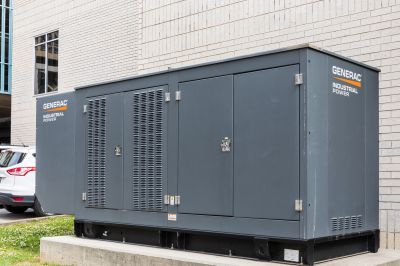
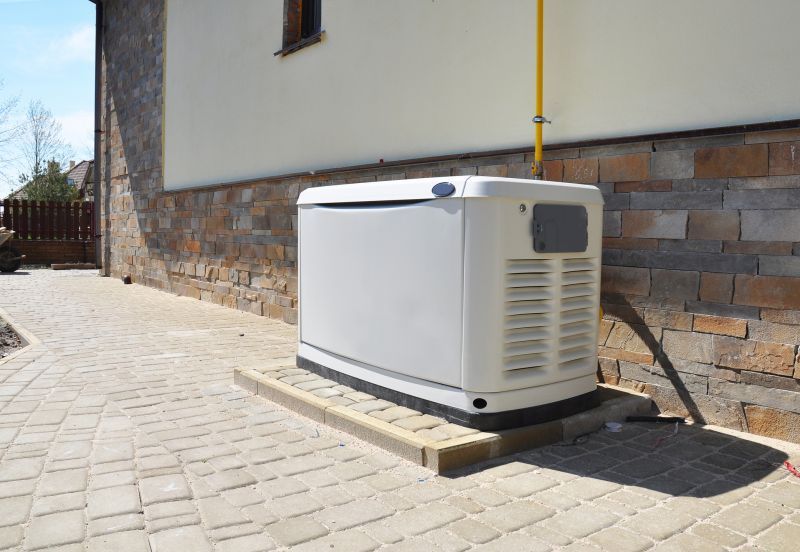
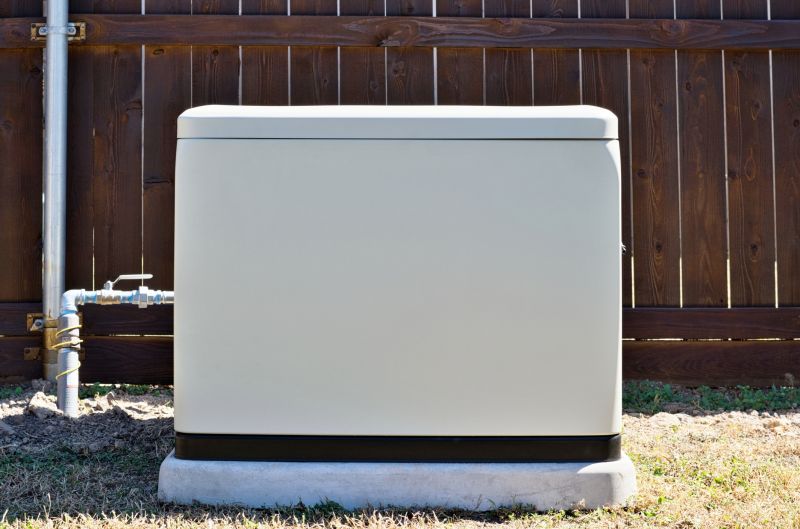
Standby generator installation services involve setting up a backup power system that automatically activates when the main electrical supply experiences an outage. These systems typically consist of a generator unit connected to a property’s electrical system, ensuring seamless power restoration without manual intervention. The installation process includes assessing the property’s power needs, selecting an appropriate generator size, and integrating the unit safely into the existing electrical infrastructure. Experienced local contractors handle all aspects of the installation, ensuring the system is properly configured and ready to provide reliable backup power when needed.
This service helps solve common problems associated with power outages, such as food spoilage, loss of heating or cooling, disruption of work-from-home activities, and the inability to operate essential appliances. During an outage, a standby generator can automatically turn on within seconds, maintaining comfort and safety inside the property. This is especially valuable in areas prone to severe weather events or frequent power interruptions. By installing a standby generator, homeowners can avoid the inconvenience and potential hazards caused by unexpected power failures.
Properties that typically utilize standby generator installation services include single-family homes, multi-unit residential buildings, and small commercial establishments. Homes with critical medical equipment, home offices, or extensive electronic systems often benefit from having a reliable backup power source. Additionally, properties located in rural or remote areas where power outages tend to last longer are common candidates for this service. Local contractors can evaluate the specific needs of each property to recommend and install a system that provides dependable, automatic backup power tailored to the property’s size and usage requirements.
Choosing to have a standby generator installed is a practical step for homeowners seeking peace of mind during power disruptions. Whether it’s a residential property susceptible to outages or a small business that depends on continuous power, local service providers can assist in selecting and installing the right system. Proper installation ensures that the generator operates efficiently and safely, providing reliable backup power when it’s needed most. Contacting experienced local contractors can help property owners find the right solution to keep their homes and businesses running smoothly during outages.
The overview below groups typical Standby Generator Installation projects into broad ranges so you can see how smaller, mid-sized, and larger jobs often compare in your area.
In many markets, a large share of routine jobs stays in the lower and middle ranges, while only a smaller percentage of projects moves into the highest bands when the work is more complex or site conditions are harder than average.
Smaller Repairs - Typical costs for minor standby generator repairs or upgrades usually range from $250-$600. Many routine service jobs fall within this middle range, though prices can vary based on the specific work needed.
Standard Installation - Installing a new standby generator generally costs between $3,000 and $7,000. Most projects in this category are straightforward and tend to stay within this range, with fewer jobs reaching higher amounts due to complexity.
Full System Replacement - Replacing an existing generator with a new unit can cost from $5,000 to $15,000 or more. Larger, more complex projects that involve significant electrical work are more likely to reach the upper end of this range.
High-End Custom Projects - Custom or large-scale generator installations can exceed $20,000, especially when extensive electrical upgrades or integration with other systems are required. These projects are less common but represent the top tier of typical costs.
Actual totals will depend on details like access to the work area, the scope of the project, and the materials selected, so use these as general starting points rather than exact figures.
Electrical System Upgrades - electricians who install standby generators often handle electrical panel upgrades and wiring, ensuring the system integrates seamlessly with existing power sources.
Backup Power Solutions - providers specializing in alternative power systems, such as battery backups or solar generators, share planning and installation skills relevant to standby generator projects.
Home Automation and Control Systems - technicians who set up home automation systems can assist with integrating generator controls and remote monitoring features.
Fuel Supply and Storage Installation - contractors experienced in installing fuel tanks and supply lines for generators are familiar with planning for reliable power sources.
HVAC System Integration - professionals who coordinate HVAC and electrical systems often work alongside generator installers to ensure seamless operation during outages.
Emergency Power System Design - specialists in designing comprehensive emergency power plans have skills applicable to planning and installing standby generator setups.
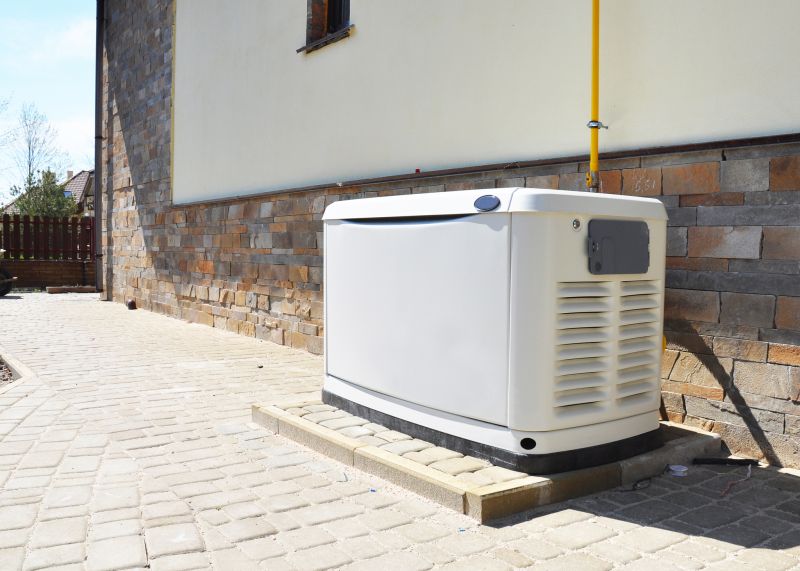
When comparing service providers for standby generator installation, it’s important to consider their experience with similar projects. Homeowners should look for local contractors who have a proven track record of handling generator installations in settings comparable to their own. This experience can indicate familiarity with common challenges and best practices, helping ensure the project proceeds smoothly and meets expectations. Asking for details about past work or reviewing portfolios can provide insight into their expertise and the quality of their installations.
Clear, written expectations are essential when choosing a service provider. Homeowners should seek out contractors who provide detailed estimates and scope of work upfront, outlining what is included and what is not. This transparency helps prevent misunderstandings and sets a foundation for a successful project. It’s also beneficial to confirm that the contractor’s communication style aligns with the homeowner’s preferences, making it easier to stay informed and address questions or concerns throughout the process.
Reputable references and good communication are key factors when evaluating local contractors. Homeowners can ask service providers for references from previous clients who had similar work done, offering a glimpse into their reliability and quality of service. Additionally, responsive and clear communication from the contractor can signal professionalism and a commitment to customer satisfaction. While this site introduces homeowners to local options, it’s important to remember that it does not perform the work itself; selecting a contractor with strong experience, transparent expectations, and good references can help ensure a positive installation experience.
Property owners use Standby Generator Installation services for practical projects around their homes and businesses. This guide focuses on everyday jobs and straightforward project options.
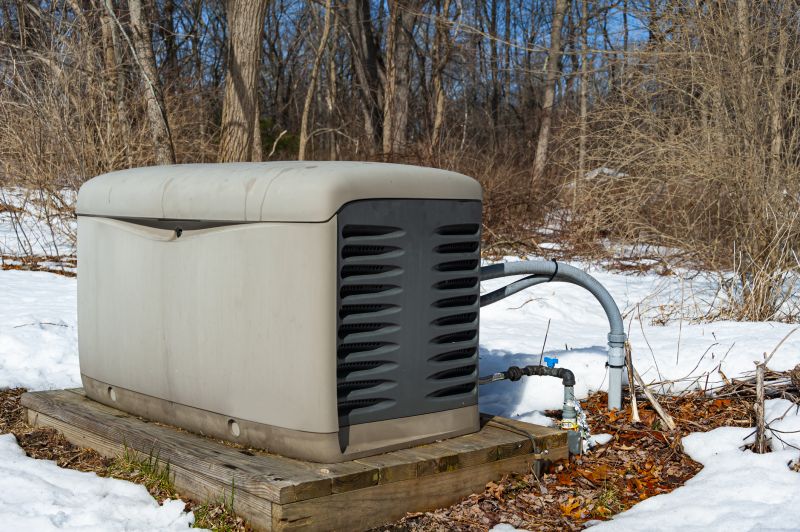
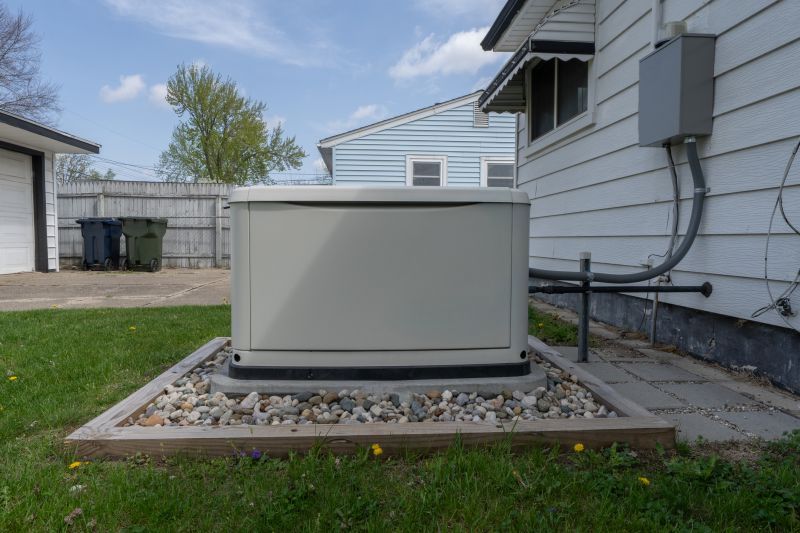
Standby generator installation is a common project for property owners who want to ensure continuous power during outages caused by storms, grid failures, or other disruptions. Many local residents seek out experienced service providers to help them select and set up reliable backup power systems for homes and businesses, especially in areas prone to weather-related interruptions. Whether upgrading an existing electrical system or installing a new generator for the first time, property owners often turn to local contractors who can handle the technical aspects of the installation safely and efficiently.
In addition to emergency preparedness, property owners might pursue standby generator services to maintain essential appliances, heating or cooling systems, and security features during power outages. Some may also be looking to protect their property and belongings from the risks associated with sudden power loss. Local service providers are equipped to assist with these needs, offering professional installation solutions tailored to the specific requirements of each property.
What is involved in installing a standby generator? Installation typically includes site assessment, electrical wiring, and connecting the generator to your home's power system by qualified local contractors.
Can a standby generator be installed indoors? No, standby generators are designed for outdoor installation in well-ventilated areas to ensure safe operation.
What types of homes are suitable for standby generator installation? Standby generators can be installed in a variety of residential properties, including single-family homes and larger residences, depending on the size and power requirements.
Are there specific permits required for generator installation? Permit requirements vary by location; local service providers can advise on necessary permits and handle the application process.
What maintenance is needed after a standby generator is installed? Regular maintenance typically includes periodic testing, oil changes, and inspections, which can be coordinated with local contractors.
Emergency Power Backup - Ensure essential appliances and systems stay operational during power outages by installing a standby generator.
Home Comfort During Outages - Maintain heating or cooling systems to keep living spaces comfortable even when the grid is down.
Business Continuity - Keep critical equipment running in commercial properties to avoid disruptions during outages.
Remote Property Power - Provide reliable electricity to properties in areas prone to outages or with limited access to the main grid.
If you are thinking about Standby Generator Installation for a property, this guide is meant to help you understand the work, the typical project types, and how different options might fit your plans.
When you are ready, you can use the quote form on this page to share a few details about your project. From there, local pros can review the basics and respond with options that match what you have in mind.